WINTER ORAL HEALTH TIPS

You may often find that as winter comes nearer, your dental problem also starts worsening. This is not good for your oral healthcare. During winters, you might face many problems regarding your teeth. You need to get regular check-ups done from the Cabrera Dental Associates or a dentist near you. Following you will find a few tips for oral health in winters-

Tooth Sensitivity: This problem occurs when your teeth hurt while eating (or drinking) hot or cold food items. Sometimes this problem also occurs because of the cold environment. To solve this problem, it becomes very important to follow a few points as given below-

  • You need to change your toothpaste. There are toothpastes in market specially made for the sensitive-teeth issues
  • Use toothbrush which have soft bristles and brush with care; do not move the brush too hard against your teeth and gums, it might work the opposite of what you are aiming for
  • You should keep rinsing your mouth with the help of salt water for a better result for your teeth

Cold Sores: This is another problem which is faced during the winter season. This problem occurs because of the cold weather and a weak immune system. To prevent the cold sores, you can try a few things, which are given below-

  • It is advisable to clean your hand after regular time periods
  • Don’t share food during this point of time because there is a high chance of diseases or bacteria spreading out
  • Try to have minimal skin to skin contact with people outside

Chapped lips: One of the most common problems which most of the people face is of chapped lips. This problem occurs because of dryness on lips and sometimes it causes pain too. To protect from this problem, you can follow things such as

  • Apply moisturization when you feel your lips getting dry
  • Now is the time to buy lip balms with SPF+ so you can enjoy happy lips

Cavity Care: One activity which everyone loves doing during the winter season is eating a lot of hot food items. People like to eat different types of food which either are avoided during the summer season or is not available. This creates a high chance of cavities too. In following ways, you can avoid cavities very well-

  • Brush your teeth for two minutes, twice a day and use floss for proper and thorough cleaning of your teeth
  • Drink water as much as you can, because it cleans food particles from between your teeth

One of the most important things in the cold season is that you get regular check-ups from the dentist so that they identify the symptoms early on and give you the required medication to solve the problem before it worsens.

Smile For Your Health!

Smiling is a very powerful medicine for your body. Smile is something which a person notices on another person. It brings out your inner self and how happy you are. One smile can make all the difference in this world says dentist in TX, 77075.

Let’s have a look at certain benefits of smiling:

Smiling And The Feel-Good Hormone

Smiling boosts your mood when you feel sad. It reduces anxiety and can actually uplift your mood and increase positive vibes.

Smile To Reduce Your Stress

Did you know that smiling more often, whether you’re feeling happy or not, helps your body deal with stressful situations more effectively? A recent study shows that smiling can result in a lower heart rate during stressful tasks. Stress generally causes increases in heart rate and blood pressure. According to dentist in South Houston maintaining a smile when stressed out provides you with both psychological and physical health benefits.

Strengthen Your Immune System With Smiles

Laughter which often begins with a tiny smile appears to help boost your body’s immune system. Laughter and positive thoughts release signaling molecules in your brain that fights stress and ailments, while negative thoughts decrease your body’s immunity. Dentist near Houston, TX 77075 says that laughter therapy increases immune responses in women who have just had babies.

Bonus Benefit Of Smiling: Productivity Boost!

Now smiling can make you productive, that’s a real head turner!  It’s believed by experts that if you look sad or feeling anxious, perhaps others wonder if you know what you are doing. So perhaps a simple smile might be a shortcut to business success. Your smile can actually affect others around you and if you are happy then you will find yourself doing things more productively.

Let Us Give You Reasons To Smile

At Cabrera Dental Associates we make sure that you have the best smile you desire. We help you get the benefits of living a healthier and longer life by enhancing your beautiful smile. The universal sign of happiness is smile, and we try our best to make it worth for you and others.

Would You Like to Change Your Smile? Laser Gum Contouring by Cosmetic Dentist in South Houston May Be the Answer!

Bulging gums can be a problem. Your teeth may look great and your smile may be otherwise healthy, but a bulging gum line can throw off smile aesthetics a great deal. Modern cosmetic dentistry offers gum contouring, an aesthetic solution for this problem. Cutting edge technology has led to the development of laser gum contouring. This next step forward in cosmetic treatments has worked wonders for countless people who want to improve the aesthetics of their smile. Let’s cover the basics and the benefits of laser gum contouring.

What is Laser Gum Contouring

Laser gum contouring or reshaping is a cosmetic dental procedure used to contour the gum tissue. A dental laser is the tool of choice for this procedure as dental lasers produce better results than tradition scalpels, in addition to less pain, less invasive and a quicker recovery.

What Does the Procedure Involve?

First the periodontist will begin the treatment with a local anesthetic to numb the gums. The dental laser is then used to gently remove excess gum tissues. These soft tissue lasers are safe and accurate, and can cut soft tissues with the accuracy of a scalpel. By reshaping the patient’s gums, the prominence of the gum tissue as they smile is reduced. This leads to a better overall appearance. Since a laser is used during this type of gum contouring, there are some important benefits like less bleeding, less side effects, reduced risk of infections and faster healing.

How Long Does It Take to Recover?

The healing times are much shorter in the laser technology used than the traditional gum contouring. Patients will be back to normal activities sooner, which is very convenient. Still during the healing process, you should avoid hard, crunchy foods, like corn chips, as they can irritate the gums. Also avoid foods with small seeds and popcorn, as the small pieces can lodge between the teeth and gums and prevent healing. Special care must be taken when brushing and flossing your teeth following laser gum reshaping.

What You Should Know about Porcelain Veneers

If you are self-conscious about your dental health and how your teeth look and feel, you may benefit from porcelain veneers. For questions and more information about porcelain veneers and if you’d benefit from them, keep reading below or contact Cabrera Dental Associates for help.

What is a Porcelain Veneer?

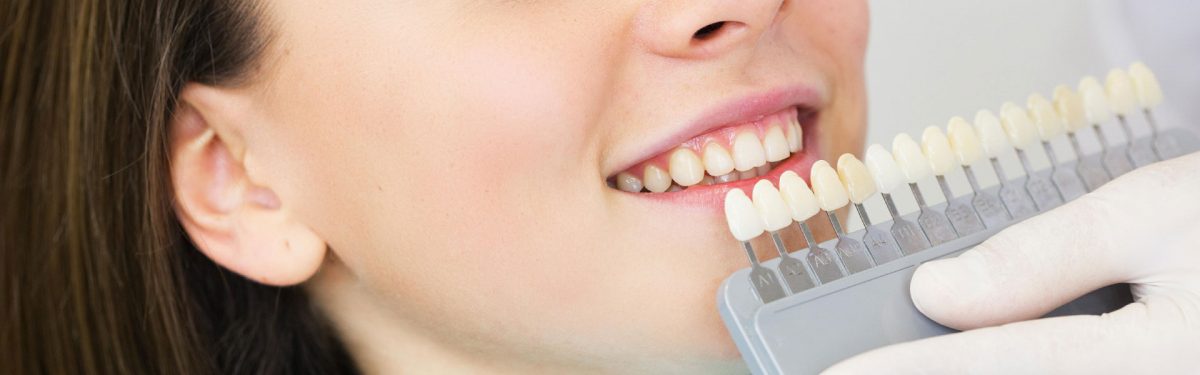
A porcelain veneer is a custom, extremely thin shell that is used to protect a damaged or discolored tooth. The veneers are colored to match the natural shade of your teeth. Porcelain veneers are permanent and protect your natural tooth while giving it the proper aesthetic.

What Can Veneers Do?

Veneers are good for a variety of reasons including fixing chipped or misshaped teeth, worn down teeth, and to fix spaces between teeth. More commonly, veneers are used to fix a discolored tooth due to deep, internal stains.

Are Veneers Permanent?

Getting porcelain veneers is a permanent procedure, as when your dentist applies them, they must remove a layer of your enamel to get the veneer to stick properly. Over time, you may need to replace your veneers as they can wear down and break down.

What is the Procedure?

When getting veneers, you should be aware of the procedure your dentists follow when applying them. An impression must be made of the tooth being covered, and the veneer will be made. During application, your dentist will check for a color match and then begin to remove a layer of enamel from the tooth. Your tooth is then prepared by polishing and etching to produce a grippier surface, and a cement is placed on the tooth, followed by the veneer. To harden, an ultraviolet light activates the cement binding it to your tooth.

Is the Procedure Painful?

The process of getting porcelain dental veneers is not painful, as your dentist will most likely numb your mouth with a local anesthetic.

What are the Disadvantages of Porcelain Veneers?

Porcelain veneers are great, but they have downsides. This includes an increased sensitivity due to the removed layer of enamel, they can decay or crack and chip depending on how you treat them, and the process is permanent and therefore irreversible.

What is the Difference Between Porcelain and Ceramic Veneers?

Porcelain veneers are durable and resist stains and damage well, while ceramic tends to stain. Also, porcelain veneers must be made in a lab, while ceramic ones can be made while you wait and implanted on the same day.

Aftercare for Porcelain Veneers

There are various things you should do to protect your porcelain veneers, including brushing and flossing normally, avoiding chewing on unnecessary objects or biting nails, and not grinding your teeth. If you do not follow these aftercare procedures, you can deal damage to your new veneers.

If you are in need of a dentist who can equip you with porcelain dental veneers, visit Cabrera Dental Associates in Houston, Texas.

YOUR SMILE IS NOT A COOKIE

Cookies are made out of molds. Every cookie is symmetrical and in the same shape. Dentistry can’t be like that as each person is different and so are their teeth and their perspective. Smile is a part of your overall personality. Your smile is no cookie!

When you want to improve your smile, what are your choices for cosmetic dental work? There is no doubt that cosmetic dentistry is on the rise. Your dentist will be able to help you determine which one will work the best in brightening your smile. Your pearly whites help you achieve self-confidence and so it’s very important to take care of your smile.

Problems Addressed in Uplifting Your Smile:

The first and foremost thing is what do you want your face to look like? You want a smile that changes your overall persona of course. A good smile makes all the difference in your appearance.

Types of Cosmetic Procedures

There are several procedures that help you have a smile make over. After all it’s your smile, your way!

1. Teeth whitening: Most commonly done procedures. Many people have discolored teeth and they hide their smile. With this treatment they can flash their smile without hesitation.

2. Bonding: If minor smile imperfections are at the top of your must-fix list, then tooth bonding may be the right procedure for you. To conceal imperfections—like spacing, chips and even dark stains—your dentist can perform bonding, sculpting tooth-colored resin over the nooks and crannies of your teeth to give the appearance of a straighter, more balanced smile.

3. Teeth Straightening: Some people need their teeth to be straight to have a perfect smile. So you can go for braces to make that smile last forever.

4. Cosmetic Teeth Shaping: The dentist can reshape the tooth by filing or removing some of the enamel. This process is usually not painful and can produce immediate effects.

Consult your family dentist to discuss what you would like to have changed and which procedure is best suited for your needs. Maintaining a good oral hygiene always helps.

What is Nitrous Oxide in Dentistry?

Nitrous oxide is a common component of many oral surgeries, but many patients are unaware of the effects of nitrous oxide. You may also be wondering what the uses of nitrous oxide are in dentistry, or whether we use nitrous oxide for children. At Cabrera Dental Associates, we want you to be comfortable and in control of your experience. Let’s review nitrous oxide uses, and conditions under which nitrous oxide should not be used.

Effects of Nitrous Oxide

The patient will be asked to inhale as normal and allow nitrous oxide to take effect. It won’t take long before a strange feeling and itch can be felt in the legs and arms. This is followed by a few more symptoms, including:

  • Slowed speech
  • Loss of balance
  • Slowed response time in answering questions
  • Immunity from pain, noises, or speech
  • A calm, relaxed feeling

Uses of Nitrous Oxide

Dentists use nitrous oxide for a variety of reasons, such as the following:

  • It decreases the chance of a patient feeling anxious
  • It increases the pain threshold of patients
  • It reduces the gag reflex

Nitrous Oxide for Children

Nitrous oxide is safe for children. In fact, it is the preferred method of sedation when a child experiences trauma or is nervous before a dental procedure. When a child needs fillings, extractions, or dental crowns, nitrous oxide is highly suitable. However, that doesn’t mean it is right for everyone. Some children may experience nausea or have a hard time wearing a mask. Therefore, it’s essential to talk with the dentist about different options.

Conditions Under Which Nitrous Oxide Should Not Be Used

Not every situation calls for nitrous oxide. Your dentist should be aware of the following conditions which may disqualify you as a candidate:

  • Having a cobalamin deficiency
  • Pregnancy
  • Heart failure
  • Bronchitis
  • Ear infections
  • Methylenetetrahydrofolate reductase deficiency
  • Emotional issues
  • Drug addictions, including past addictions

Get the Best in Care

The best dentists understand your concerns about nitrous oxide and are ready to walk you through any questions that you may have. That’s why Cabrera Dental Associates is an ideal choice. If you’re considering any procedures for which you may need nitrous oxide sedation, you can rest assured that it is extremely safe under most situations. However, you’re encouraged to reach out to your professional, neighborhood dentist at Cabrera Dental Associates to address any questions you may have.

Mouth Breathing is Not Good for Oral Health

Mouth breathing is a health issue that can eventually cause sleep apnea and in children it can cause certain speech problems and improper facial growth. It should be taken very seriously because it can affect your child’s health and development.

What is Mouth Breathing?

It’s normal to breathe through your mouth during certain times like when you’re exercising or lifting something heavy. However, mouth breathing in this article refers to when you breathe through your mouth most of the time.

It starts when we can’t seem to get enough air through our noses, so the mouth will naturally take over. This can become a lifetime habit if not corrected early on.

What causes mouth breathing?

There are several reasons for mouth breathing including:

  • Allergies or food sensitivities
  • Having enlarged tonsils
  • Having nasal congestion
  • Having a respiratory infection
  • Asthma
  • Deviated septum
  • Nasal polyps

How does mouth breathing affect the body?

There are many ways that mouth breathing affects the body, including:

The tongue:

Mouth breathing will change the way your tongue will work and where it rests at in the mouth. It should naturally rest at the top of your mouth but when your mouth is open, it sets at the bottom. This will lead to underdeveloped oral musculature and can affect the way you speak, swallow, breath, and chew.

Facial Growth and Development:

Breathing through your mouth can change the way your face looks. This is especially prominent in children because they’re still developing. Children who mouth breathe can suffer from facial and dental developmental problems. These include having long, narrow faces, less defined cheekbones, small jaws, and weaker chins. It can also cause gummy smiles and teeth that are crooked.

Other Effects on the Body:

It can also cause headaches, gingivitis, sore throats, bad breath, increased risk of cavities, poor sleep, and digestive disturbances like gas and acid reflux.

The Teeth and Braces:

Mouthing breathing will also change the position of teeth and of your bite. When the mouth is open, the lips are weaker and there is no support for the teeth externally. This can cause issues with orthodontic treatment. You’ll have to spend extra time wearing braces, and there’s a chance that the results won’t be permanent.

What can be done to treat mouth breathing?

It’s not as simple as simply closing your mouth. The best way to fix mouth breathing is to fix the underlying problem. If your child has asthma, talk to his doctor about treatments, for example. Stay in touch with your dentist too. Keep up with appointments.

Why Is Fluoride So Good For Our Teeth

Most dentists’, including ourselves, put a huge emphasis on the importance of fluoride and how it does such great things for your teeth. In all honesty, fluoride is the best fighter against cavities on the market today, and it helps our teeth stay healthy and strong from a young age. In the following article, we will discuss why fluoride is so good for our teeth, and how it does such a great job at keeping our mouth cavity free.

Fluoride Prevents And Repairs Tooth Decay

To begin, let’s discuss what are mouth is constantly at odds with: bacteria. Bacteria and plaque produces acids that can permeate into our tooth enamel and break it down. The breaking down of enamel is what causes cavities over time. We’re plug typically breaks down the tooth, fluoride is able to build it back up. Fluoride is a mineral that occurs naturally in food and water and has great properties that keep cavities away.

Fluoride Is Available In A Variety Of Forms

Fluoride is available in a variety of different forms, and one way is that it can be applied directly to the teeth using fluoridated toothpaste and mouth rinses. Just a quick fun fact, since 1960, when fluoride was introduced into toothpaste, there has been a significant drop in cavities. Dental offices, such as ours, also offers for application to teeth such a gel, varnish, or foam. Getting a fluoride treatment every now and then is important as it contains a higher concentration of fluoride then seen in the typical toothpaste and mouth rinse.

Fluoride Intake Is Important At All Ages

Many people are under the impression that fluoride intake is only important at a young age. Well this is true, exposure to floor it is especially beneficial for infants and children, as it becomes and imperative part in the development of permanent teeth. However, adult can also benefit from fluoride treatments. As adults, we no longer need to work or Aid in the development of our permanent teeth, but fluoride helps us against certain health conditions. Just as an example, if you have dry mouth, a history of frequent cavities, gum disease, or other Dental conditions, your dentist May recommend additional fluoride treatments and supplements.

Tooth Decay Is Preventable

Fluoride helps prevent tooth decay, making the prevention of tooth decay much more important than the cure. However, if you do have more questions about the use of fluoride, and how fluoride treatments can greatly benefit you and your general health, feel free to give our office a call. From all of us here at Dr. Cabrera Dental Associates in Houston, TX, we would love to see our patients living a life free of dental problems. We would have loved to aid in this journey, so feel free to give us a call and set up an appointment today!

What Can Cause Sensitive Teeth?

Sensitive teeth hurt when exposed to extreme temperatures. Hot and cold foods and drinks are common triggers for this kind of dental pain. The temperature change causes exposed, nerve-laden dentin to flare with pain. Pressure from biting down also aggravates sensitive teeth and can cause shooting pain.

A few common causes of sensitive teeth include:

  • Chipped or cracked teeth
  • Cavities
  • Gum disease
  • Infected tooth roots
  • Thinning abraded or worn-down enamel

Four tips for sensitive teeth you can do at home

  • Use toothpaste specifically for sensitive teeth. Toothpaste for sensitive teeth fill in tiny microchannels and holes in enamel leading to exposed dentin, as well as soothes over-active nerves in the tender dentin. Make sure that your choice is a sensitizing toothpaste. They contain ingredients that block pain. It takes several days of regular use before sensitive teeth toothpaste gives a significant improvement, so don’t give up early!
  • Use mouthwash with fluoride. Early to mild gum disease can cause sensitive teeth by eroding enamel. Mouthwash fortified with fluoride will arrest the damage and strengthen your teeth.
  • Stop using medium or hard toothbrushes. Use a soft-bristled toothbrush instead. Don’t scrub your teeth like you would a dirty sink! Instead, use gentle strokes.
  • Start brushing and flossing regularly. Plaque that coats the surface of your teeth is laden with bacteria. Bacteria consume sugars and food particles, creating an acidic film on the tooth surface. This acid damages tooth enamel.

If pain and sensitivity persist, see your Houston pediatric dentist. Your dentist near you will examine your teeth and gums and may recommend:

  • Fluoride application: The dentist may apply fluoride directly to your teeth, as well as suggest an ongoing application of prescription-strength at home. Typically, a special tray for home use is included in this treatment.
  • Bonding or desensitizing: dentists occasionally place bonding resin onto exposed or irritated roots.
  • Surgical Gum Graft: When gum tissue has eroded and exposed teeth roots, a small graft of gum tissue can get rid of sensitivity and protect roots from decay and infection.
  • Root canal. If your sensitive teeth are caused by infection of your tooth’s core (dental pulp or roots, your dentist may recommend a root canal.

Sensitive teeth?  Visit us at Dr. Cabrera Dental Associates.

A Guide To Buying Your Child’s First Toothbrush

Has your child recently had their first tooth erupt? Not sure what to do when it comes to toothbrush shopping? At Dr. Cabrera Dental Associates, we believe that optimal oral care should start at an early age, starting with the best toothbrush possible can help! Today we’re discussing your child’s first toothbrush and a guide to buying the right one. We hope you learn something new!

Selecting The Right Bristles

When it comes to toothbrush bristles, there are many different kinds! While it may seem like harder bristles would scrub and clean teeth better, this actually isn’t the case. We find that soft, rounded bristles are the best type we can use. Soft bristles allow us to gently remove plaque from teeth without causing any erosion or damage. Rounded bristles can be a better option than sharper bristles as they are more gentle on the gums, making them less likely to cause irritation or damage.

Selecting The Right Size

When it comes to selecting the size of your child’s toothbrush, it is very important to make sure the brush can properly fit in their mouth and reach all areas. Many toothbrushes for children are labeled with the age bracket recommended, we always recommend bringing your child to select the brush as they can test to see fit.

Selecting The Right Handle

When it comes to the handle of a toothbrush, there are straight, angled, curbed and even vibrating handles! We find that comfort is the most important part of selecting a brush, make sure to purchase one that your child can properly hold and use. Rubber grips can make this a bit easier for children.

Replacing Your Child’s Toothbrush

When it comes to replacing your child’s toothbrush, we recommend doing so at least every 3 months. If you notice your child’s toothbrush is worn, frayed or damaged looking, we recommend replacing it immediately. If your child has been sick, we also recommend replacing it.

Visit Our Children’s Dentist in Houston, TX Today

Along with proper at-home dental care, professional pediatric dental care is also highly important. Contact Dr. Cabrera Dental Associates today to schedule an appointment with our Houston pediatric dentist.