Advantages of Sure Smile

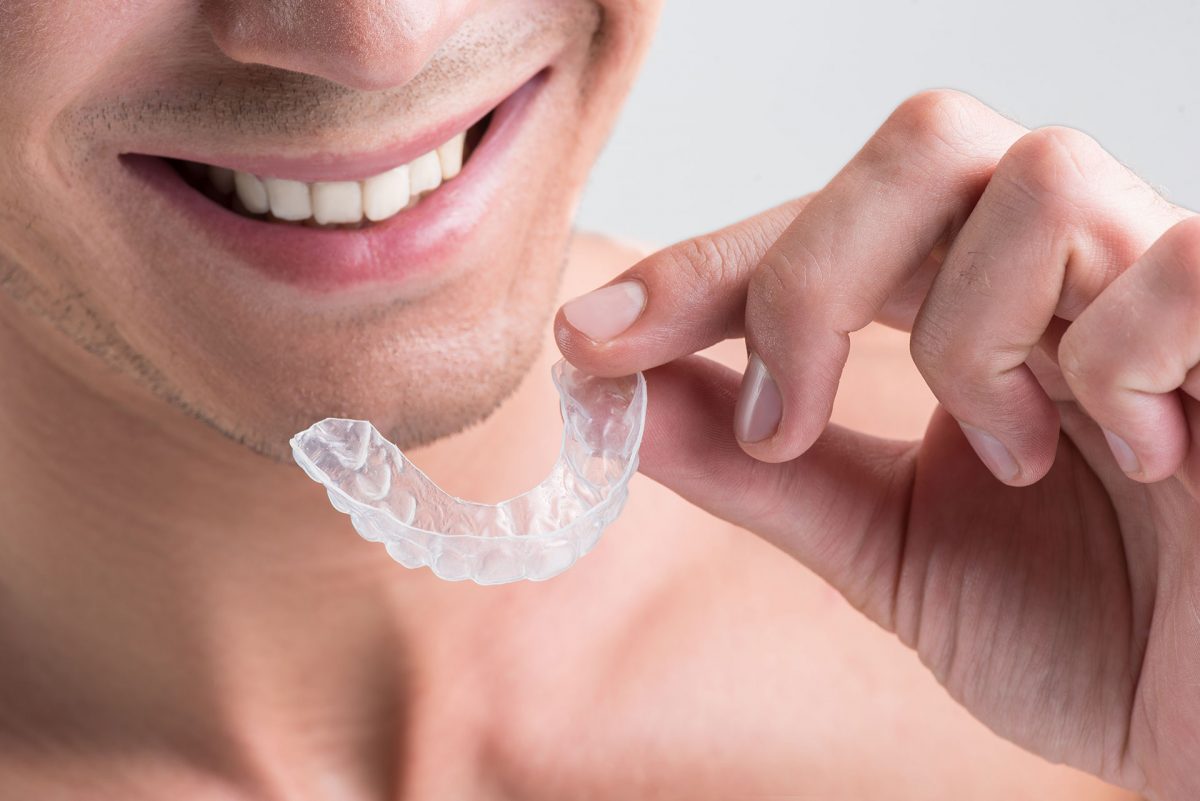
For decades the only option for correcting smiles with spacing issues, misalignments, and crooked teeth were traditional metal braces. Due to the metal, wires, and brackets, the term “metal mouth” was created. Luckily for those interesting in correcting their smile in 2017, new treatment options are available. Sure Smile is one of the newest advancements in orthodontic treatment, allowing patients to correct their smile without the unsightly appearance and uncomfortable side effects. Wondering what other benefits there are to Sure Smile? Here are just a few:

Improve Overall Health

Recent research has shown that our oral health and general health are more linked than we once thought. Poor oral health is thought to increase the risk of heart disease, stroke, and even diabetes. When teeth are overcrowded, misaligned, crooked, etc. it can increase a patient’s risk of tooth decay, gum disease, and even tooth loss. The removable Sure Smile aligners can help correct these dental issues by allowing you to maintain your oral health better. 

Improve Oral Health

As discussed above, dental issues such as overcrowding, alignment issues, and crooked teeth can affect not only your appearance but also the functionality of your smile. When areas are hard to reach while cleaning, debris, plaque, and bacteria can get stuck, creating the perfect environment for decay and infection. This can ultimately lead to dental decay and gum disease. Sure Smile allows the patient to clean their teeth and gums better, decreasing the risk of decay and gum disease.

Improve Dental Hygiene

Traditional metal braces and even newer “Fastbraces” take up a lot of room on your teeth, allowing you to only clean the visible portion; flossing is often problematic as well. Sure Smile, however, is designed to be removable, allowing patients to properly and thoroughly clean and floss their teeth every day.

Improve Diet & Nutritional Intake

Patients that opt for traditional braces often have to make some dietary changes throughout treatment. Due to Sure Smile’s design, the aligners be removed for eating, drinking and even cleaning. This allows patients with Sure Smile to keep a diverse and nutritious diet even during their orthodontic treatment.

Clear Braces Versus Traditional Braces

For many decades, traditional braces were the only option available for straightening teeth. But since the early 2000s, clear aligners have become an alternative for orthodontic treatment.

Traditional Braces

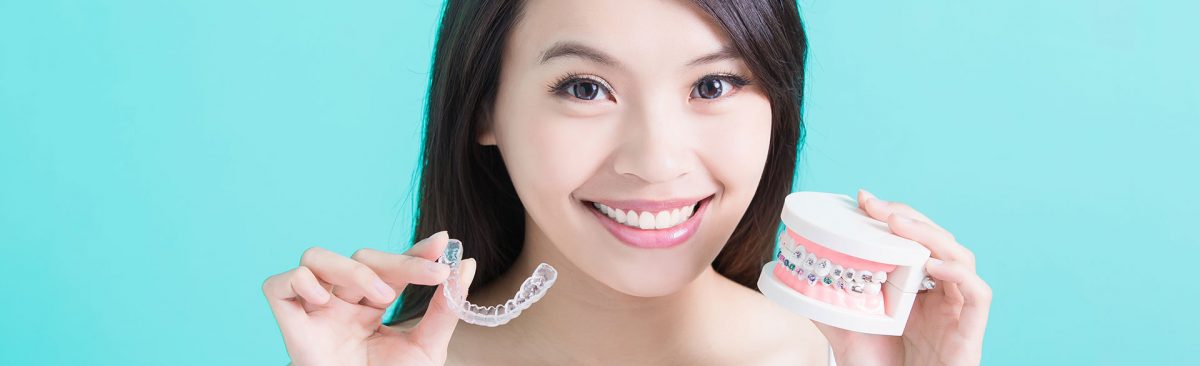
Traditional braces are made with metal brackets that are glued to your teeth and interconnected by wires or small rubber bands. While they are visible, there have been improvements to make the brackets close to the color of your teeth or, in the opposite direction, get them in your own choice of colors for a more personal touch.

ClearCorrect Clear Braces

ClearCorrect aligners are also known as clear aligners, or clear braces, because they only consist of BPA-free clear plastic. They are worn over the teeth, similar to a mouth guard, to move them into place gradually. Once your orthodontist makes a 3D image of your mouth using x-rays, impressions, and pictures, a set of trays are configured to align your teeth over time.

Traditional Braces vs. ClearCorrect Braces

  • Maintenance – While the end goal is straight teeth, the path to get there is very different between the two. The largest factor besides the color difference is the fact that ClearCorrect is removable while metal braces are not. This is incredibly helpful during meal times. Food can easily get trapped in traditional braces and will require a thorough cleaning after every meal.
  • Treatment Time – The average treatment time for someone with traditional braces is two years, while the average time for a ClearCorrect user that wears their clear aligners for 22-24 hours a day is 6 to 18 months. ClearCorrect works if the person wearing it does so consistently.
  • Dentist Visits – Traditional braces also require monthly visits to the orthodontist to get an orthodontic treatment which involves tightening the wires connecting the brackets to shift the teeth. For ClearCorrect wearers, just change to a new aligner tray every two weeks and visit your orthodontist every 4-6 weeks.
  • Treatment Cost – For many people, the cost is going to be the determining factor. Traditional braces, on average, are less expensive than ClearCorrect. However, the pros of using ClearCorrect greatly outweigh the cons and in many people’s opinion is worth every additional penny.

Kick Bad Breath to the Curb

It can happen to anyone – bad breath. Whether it’s due to those onions on your pizza or a medication that makes your mouth dry, there are steps you can take to control bad breath.

Proper Brushing Technique

You already know that brushing helps keep your teeth clean, but are you doing it correctly? If not, you may be missing some residue on the surface of your teeth that can give you bad breath. First off, you should be brushing at least twice a day. Brush all surfaces of teeth, including the gum line and the inside portion of the teeth near the palate and tongue. Bacteria especially like to linger on the surface of your tongue, causing bad breath, so be sure to brush there, too (or use a tongue scraper). Also, make sure that you’re replacing your toothbrush about every three months. When your toothbrush becomes frayed, it’s not as effective as you need it to be. For fresh breath, you need clean, fresh dental tools.

Regularly Clean Dental Appliances

If you wear dentures (partial or whole) or a retainer, make sure that you’re keeping them clean just as you would natural teeth. On a daily basis, remove the dental appliance to clean it of all food particles and plaque.

Stimulate Saliva Production

A dry mouth can be the cause of halitosis (bad breath). Chewing sugar-free gum or enjoying fibrous vegetables such as celery can increase saliva production. Additionally, drinking water regularly can help your mouth stay hydrated.

Use Mouthwash

In addition to freshening breath, mouthwashes offer extra protection by killing off bacteria that can cause bad breath.

Kick the Tobacco Habit

Besides just giving you bad breath, tobacco can damage your gums, cause cancer, and stain your teeth, so it would be good for your health overall to give it up.

Choose Foods Carefully

You’ve probably noticed that some foods are naturally quite harsh on your breath. Pungent flavors include onion, garlic, and vinegar and can linger in the mouth long after you’ve finished eating. Sugary, sticky foods can also stay around longer and be difficult to remove, so limit your consumption of these.

If you find that taking these steps do not help your bad breath, pay a visit to the dentist, who can tell you if it’s due to an underlying condition.

Why Should You Visit the Dentist?

The American Dental Association recommends that you visit the dentist every six months, but is that really necessary? The truth is that your dentist provides many important services that are necessary for good oral hygiene. Here are just a few things that happen at your dentist visit that can ensure healthy teeth and gums.

Dental Cleaning

At your appointment your dental hygienist will thoroughly clean your teeth, including areas that might be hard for you to reach on your own. This will clear out any plaque from between your teeth and under your gums to make sure there are no dental conditions such as tooth decay that could grow worse with time.

Thorough Dental Examination

Even if your teeth look and feel fine to you, your dentist has access to technology that can detect potential problems while they’re still in their early stages. Oral health issues such as periodontal disease can worsen very quickly and are hard to combat once they’ve advanced. Catching these problems early will cost you less money and cause you less pain in the long run.

Screen for Oral Cancer

One of the biggest part of regular dental visits is that your dentist will screen you for oral cancer. Cancer is a devastating disease that can spread before you even notice any symptoms, and oral cancer can happen to anyone—smoker or not. Your dentist will check your mouth for any signs of oral cancer so you can begin treatment immediately if needed.

While visiting the dentist on a regular basis might feel like a hassle, it’s well worth it for the benefits to your teeth in the long run. If you want to have a happy, healthy smile for life, be sure to factor regular dental visits into your long term plan.

Does Sugar Really Cause Cavities?

With Halloween fast approaching, dentists everywhere are warning kids to brush their teeth and eat candy in moderation. But is sugar really the culprit when it comes to causing cavities? Believe it or not, the answer is a bit more complicated than you think.

What Causes Cavities?

We all know that cavities are caused by tooth decay, but how do they actually form? When you eat a food that contains sugar, the bacteria lingers in the mouth in the form of plaque. This plaque can wear away your tooth enamel and lead to tooth decay and cavities if left untreated. In this sense, sugar does cause cavities.

However, this isn’t just true of candy and soda, the foods we typically associate with cavities. Any food containing sugar can cause tooth decay, including fruit. So how do we avoid cavities?

Dental Cavity Prevention

The key to preventing cavities isn’t to cut out sugar completely—that’s just not realistic for many people, and plenty of foods that contain sugar can be good for you. To your teeth, it makes no difference if you chow down on an apple or eat a candy bar. The end result will be the same.

The real secret to healthy smiles is to remove the plaque and bacteria as soon as possible through good oral hygiene. If you brush and floss right after eating sugary foods, it prevents the bacteria from building up and causing lasting damage.

If you suspect you have a cavity or have any questions about proper oral hygiene, it’s a good idea to talk to your dentist. He or she will also be able to detect early signs of cavities at your regular dental checkups so you can change your hygiene routine before it’s too late. To make an appointment with a dentist, give Dr. Cabrera Dental Associates a call today!

3 Myths About Teeth Debunked

We’ve all heard crazy stories about teeth, like George Washington and his “wooden dentures” or the story that a tooth will completely dissolve if left in Coca-Cola overnight. While the stories seem cool, they are in fact a complete myth. While some of these stories are just good fun, some myths can actually have an impact on a patient’s dental health, leading them to neglect their oral health. Here are three myths you should definitely be aware of:

1. You should brush your teeth immediately after each meal.

We’ve all learned from an early age how important brushing can be for your dental health. Unfortunately, some patients think they need to brush immediately after a meal. Saliva found in your mouth is used to offset the acid in the food you consume which can soften the enamel. Brushing immediately after eating can actually be more damaging to your teeth; you should wait at least 30 minutes. Foods or beverages that are extremely acidic can be worse than other foods.

2. There is no reason to see a dentist if your teeth look and feel healthy.

Most patients think a bright, white smile means it is healthy and they have no reason to see a dentist. This can lead to more invasive and costly dental treatments down the road. Dentists are trained to spot and treat problems before they occur. Certain conditions such as cavities, decay, and even gum disease can have very little symptoms most patients will recognize, delaying treatment that could be occurring if a trained professional examined your teeth regularly.

3. If you use an electric toothbrush, you don’t need to floss.

Many electronic toothbrushes have claimed that they reach between teeth, cleaning those hard to reach areas. However, any toothbrush is designed to clean tooth surfaces, not act as floss. Plaque can build between teeth and below the gum line, becoming extremely hard to reach. The only proper way to remove this plaque buildup is with dental floss.

Dental Implants: The Permanent Solution for Missing Teeth

Do you suffer from missing or extremely damaged teeth? Wish there was an easy way to replace them? With dental implants from Dr. Cabrera Dental Associates, you can! Dental implants are artificial tooth roots made from titanium posts. They are permanently placed in the mouth and can be an effective long-term dental solution for patients suffering from missing or failing teeth and chronic dental issues.

Benefits of Dental Implants

Dental implants eliminate the need for removable dentures and bridges that need to be replaced over time. They are natural-looking, comfortable, and nearly undetectable. Along with the improvements to your appearance, dental implants can actually improve your overall dental health as well. Missing teeth can negatively impact your mouth structure, bone mass and even cause additional dental issues as the teeth shifting in the mouth. With individual dental implants, crowns or bridges may be attached to give the appearance of natural teeth. Other benefits of dental implants include:

  • Improve aesthetic appearance.
  • No risk of dental work coming loose.
  • Decrease chewing, eating and speaking problems.
  • Restore face fullness.
  • Easy to maintain.
  • Avoid dental issues associated with infection and decay.

All-on-Four Dental Implants

Much like dental implants, All-on-Four dental implants use titanium posts that are attached to the mouth. Unlike traditional dental implants however, a denture is attached to the artificial roots. This can be more cost effective than individual tooth implants and is less likely to require bone grafting. This can save our patients time, money, and discomfort while providing them with a natural, healthy looking smile that is easy to maintain.

Tired of missing or severely damaged teeth ruining your smile? Contact our Houston dental office today to schedule your dental implant examination appointment.

Avoid These Foods for a Brighter Smile

Although cosmetic procedures such as teeth whitening are a great way to achieve a whiter, brighter smile, avoiding or limiting foods and beverages that stain can also be a great step to take. Certain foods and beverages may be worse than others for causing staining and discoloration, and today Dr. Cabrera Dental Associates is going to discuss them!

Berries

Although berries are great for your diet due to their nutrient and antioxidant content, they can also heavily discolor teeth when consumed frequently. Instead of removing berries from your diet entirely, try to consume them before brushing your teeth and if you can’t do that, be sure to wash down your snack with plenty of water or invest in mouthwash!

Soy Sauce

Much like soda, tea or coffee, dark sauces such as soy sauce can be a big culprit for stained, dull looking teeth. To ensure your teeth aren’t becoming stained, try to limit the amount you consume and always clean your teeth and mouth after. Brushing, using mouthwash and even drinking a glass of water can help prevent staining.

Coffee

We’ve all heard how bad coffee can be for the color of your teeth, so what can you do to help? Adding milk or creamer can reduce the risk of staining. Brushing, using a mouthwash and drinking water after your coffee can also be a big help!

Tea

Tea is another beverage known for staining patient’s teeth. Tea contains tannins which are known to cause discoloration. Green, white and herbal teas typically contain less tannin and may be a better option for tea lovers out there.

Soda

Not only can the dark color of soda stain your pearly whites, but they are also crammed full of sugar that contributes to tooth decay and cavities. Can’t give up the fizz? Try seltzer water with some light colored juice as an alternative. If you must drink your soda, try not to sip on it all day as this continually stains your teeth and feeds bacteria sugar.

The Best Cosmetic Treatments for Chipped Teeth

Chipped teeth not only affect a person’s self-confidence, but they can lead to other dental problems as well. Chipped, cracked, and broken teeth allow bacteria access to new surfaces and the sharp edges can hurt your mouth and tongue. If you’re concerned about your chipped or broken teeth, here are a few dental treatments that might work for you.

Dental Veneers

The simplest solution for a chipped tooth is porcelain veneers. During these dental procedures, a thin sheet of porcelain is custom-made to fit your tooth. Your dentist will then remove some of your tooth’s surface enamel and replace it with the veneer. Porcelain veneers are sturdy and can be made to match the rest of your teeth for a completely natural look that can stand the test of time.

Dental Bonding

Dental bonding, or composite bonding, is a procedure in which tooth-colored resin is applied over the tooth to repair the cracks and even out the tooth’s surface. The procedure is less expensive than dental veneers, but the resin is not as sturdy a material as porcelain veneers are.

Crowns

Crowns are a great way to salvage a tooth that has been chipped or broken to the point that it can no longer be fixed with dental bonding or veneers. With a crown, your dentist will remove the damaged areas of the tooth and fit you with a tooth-shaped cap that covers the remains of your natural tooth. This allows you to keep the tooth while restoring your ability to bite and chew.

In some cases, if the tooth has cracked to the point that the pulp has become damaged, you may first need a root canal before the crown can be fitted.

Dental Implant

If you have broken teeth that are beyond repair, you may want to remove them altogether and replace them with artificial teeth attached to dental implants. A dental implant is a rod that is embedded into your jawbone much like the root of a tooth would be for a sturdy, natural look and feel. This procedure would allow you to use your artificial tooth the same way you would use your natural tooth and would restore the look of your smile while also creating a stronger mouth.

If you’re concerned about a chipped or broken tooth, our staff would be happy to help you decide which treatment option is best for you. Call our office to schedule an appointment today!

Flourish Your Smile with Fluoride

Fluoride is a naturally-occurring mineral that works to strengthen teeth by fighting tooth decay and cavities, sometimes before they even fully form. Fluoride should be part of any good oral hygiene routine, whether that means using a fluoride mouthwash or toothpaste or having your dentist perform a fluoride treatment on your teeth.

If you’re curious about what fluoride can do for you and your family, here are some important things to know.

Benefits of Fluoride

There are many benefits of fluoride, including:

  • It fights tooth deterioration
  • It prevents cavities and tooth decay
  • It makes your tooth enamel more resistant to erosion
  • It can reverse early signs of tooth decay before fillings would be necessary

Fluoride Treatment for Children

Fluoride treatments should be a part of every child’s pediatric dental treatment plan. Fluoride builds up in a child’s developing teeth, making them stronger and helping them fight tooth decay and disease while children are still learning to take good care of their teeth. It can even strengthen teeth before they ever emerge from the gums, giving your child naturally strong teeth that can better resist dental problems from the start.

Fluoride Treatment for Adults

Until recently, it was thought that fluoride was only beneficial while the teeth were still in the process of forming. Now, though, it’s clear that children and adults alike can benefit from fluoride. For most adults, using a fluoride toothpaste and drinking fluoridated water is enough to ensure you’re getting enough fluoride in your diet. However, if your drinking water is not fluoridated, you may want to consider having an additional fluoride treatment for the benefit of your teeth.

All in all, fluoride is an essential component of good oral hygiene and anyone can benefit from adding it to their routine. To schedule a fluoride treatment for yourself or your family, call our office and book an appointment today!