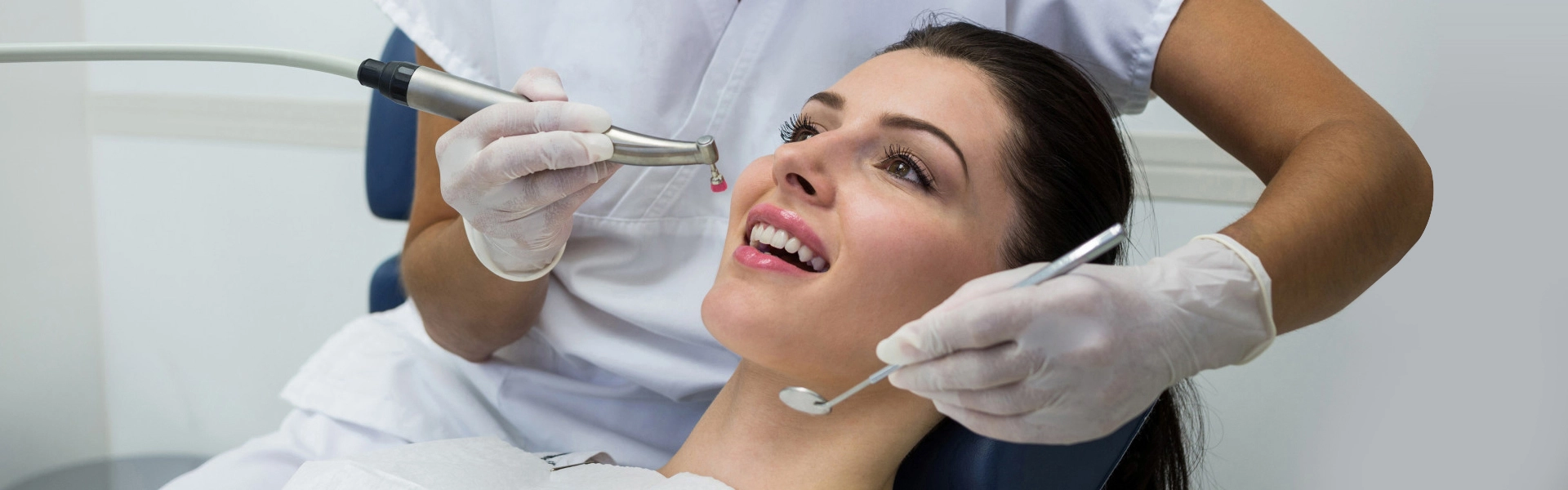

Many adults assume that once a crown, filling, or bridge is placed, the tooth is fully protected. While restorations repair damage and restore function, the surrounding tooth structure remains vulnerable to decay. Cavities can still develop around restoration margins, especially when plaque accumulates or gums begin to recede.
A fluoride treatment dentist can help strengthen natural tooth surfaces and reduce the risk of future dental problems. For adults who have invested in restorative care, professional fluoride applications offer an effective way to support long-term oral health. Whether you live in The Heights, Memorial, River Oaks, or near popular Houston destinations like Hermann Park, preventive care remains essential for maintaining a healthy smile.
What Is Fluoride?
Fluoride helps reinforce tooth surfaces by restoring lost minerals, making teeth more resistant to decay caused by bacteria and dietary sugars. It works by supporting remineralization, a process that restores minerals lost from weakened tooth surfaces. Professional fluoride products contain higher concentrations than standard toothpaste, providing additional protection for patients at greater risk of cavities.
Benefits of fluoride include:
- Strengthening enamel
- Helping prevent tooth decay
- Protecting exposed root surfaces
- Supporting long-term oral health
- Reducing sensitivity in some cases
Why Adults with Restorations Need Fluoride Treatments
Adults remain susceptible to cavities throughout life, even after receiving restorative treatment. Restorations themselves do not decay, but the natural tooth structure around them can.
Several factors increase cavity risk:
- Dry mouth caused by medications
- Gum recession exposing roots
- Aging enamel
- Previous history of decay
- Frequent consumption of acidic beverages
For these reasons, fluoride treatment for adults is often recommended as part of a preventive dental plan. It helps strengthen vulnerable areas and supports the longevity of existing restorations.
Common Dental Restorations That Benefit from Fluoride
- Dental Fillings – Fluoride helps protect the enamel surrounding fillings, where recurrent decay commonly develops.
- Dental Crowns – Although crowns cover damaged teeth, the underlying structure still requires protection near the crown margins.
- Bridges – Supporting teeth play a critical role in bridge stability. Preventive care helps keep these teeth healthy.
- Dental Implants – Implants cannot develop cavities, but neighboring natural teeth can still benefit from fluoride protection.
- Veneers – Even with veneers, the underlying tooth structure can still develop decay if proper preventive care is neglected.
How Fluoride Helps Protect Restored Teeth
Professional fluoride treatments provide several important benefits for restored smiles.
-
Strengthens Weak Areas
Fluoride reinforces the enamel around the edges of restorations, making these areas more resistant to decay.
-
Protects Exposed Roots
Gum recession is common among adults. Since root surfaces are softer than enamel, fluoride helps provide additional protection.
-
Supports Remineralization
Early enamel damage may be reversed through remineralization, helping prevent cavity progression.
-
Complements Daily Care
Even thorough brushing and flossing may not reach every vulnerable surface. Fluoride provides additional protection in areas that may be difficult to keep completely clean with brushing and flossing alone.
Types of Fluoride Treatments for Adults
Dentists may recommend different fluoride options based on individual risk factors.
- Fluoride Varnish – A concentrated coating applied directly to teeth that continues releasing fluoride over time.
- Fluoride Gel – When applied with trays, gel treatments provide comprehensive coverage across multiple tooth surfaces.
- Fluoride Foam – Foam treatments work similarly to gels while using less material.
- Prescription Fluoride Products – Some patients benefit from prescription-strength toothpaste or rinses for home use.
A customized dental fluoride treatment plan helps address each patient’s specific oral health needs.
How Often Should Adults Get Fluoride Treatments?
Treatment frequency depends on cavity risk, oral health history, and the number of existing restorations.
Many adults benefit from professional fluoride applications every six months during routine dental visits. Others may require more frequent treatment if they have:
- Multiple restorations
- Dry mouth
- Gum recession
- Frequent cavities
- High sugar intake
Patients seeking fluoride treatment in Houston, TX, should consult their dentist to determine the most appropriate preventive schedule.
Contact Our Office Today to Schedule
Protecting restorations is often easier and less costly than replacing them. Professional fluoride therapy can help preserve the health of natural tooth structure and support long-lasting restorative results. If you’ve been searching for fluoride treatment near me, discussing your oral health goals with a dental professional is a great place to start.
Final Thoughts
Restorative dentistry can rebuild damaged teeth, but ongoing preventive care remains essential. Professional fluoride applications help strengthen enamel, reduce cavity risk, and protect teeth surrounding crowns, fillings, bridges, and veneers.
At Cabrera Dental Associates, our team is committed to helping Houston-area patients maintain healthy, confident smiles through personalized preventive care. Schedule your visit today to learn whether fluoride treatment for adults is right for you.
FAQs
Yes. Fluoride helps protect the natural tooth structure surrounding crowns from decay.
Professional fluoride treatments are considered safe when applied by a dental professional.
Yes. Fluoride strengthens nearby enamel and may reduce the risk of recurrent decay.
The procedure is quick and is often performed as part of a standard preventive care appointment.
Many adults benefit every six months, though frequency depends on individual risk factors.