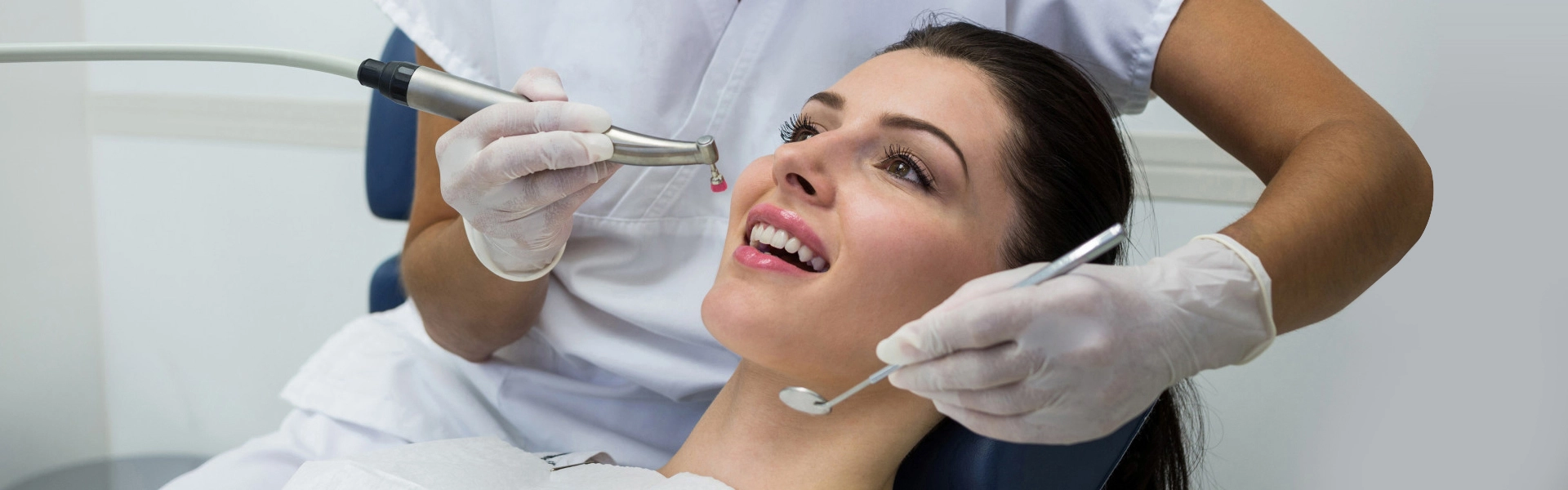

Dental exams and cleanings play a key role in maintaining long-term oral health. Many people wait until discomfort develops and then search for a dentist near me, but most dental conditions begin without noticeable symptoms. Plaque builds on teeth throughout the day as bacteria collect on the enamel. When not regularly cleaned away, this layer can harden into tartar, causing gum irritation and potentially affecting the tissues around the teeth. Routine visits allow buildup to be cleared and oral health changes to be identified at a stage when care remains straightforward. Patients across Houston, including areas near The Heights and Midtown, often rely on consistent preventive visits to avoid more complex dental concerns later.
What Is a Dental Exam?
A dental exam is a structured evaluation of the teeth, gums, and supporting structures. It focuses on identifying changes that may not yet be causing discomfort and assessing how well the teeth function together.
During the exam, the dentist evaluates:
- Tooth surfaces for signs of decay, wear, or small fractures
- Gum tissue for inflammation, bleeding, or recession
- Bite alignment to understand how pressure is distributed
- Bone levels through X-rays when indicated
Small areas of enamel weakness can develop before a cavity forms. At this stage, the surface may still be intact, but the tooth becomes more vulnerable to further damage. Gum inflammation can also develop quietly and progress if not addressed. This type of evaluation allows concerns to be identified at a stage where treatment can remain conservative.
What Happens During a Dental Cleaning?
A professional cleaning focuses on removing hardened deposits and bacterial buildup that cannot be managed with home care alone. Even with regular brushing, certain areas remain difficult to reach.
During a visit for teeth cleaning in Houston, TX, the process usually includes:
- Scaling
Hardened tartar is removed from the tooth surface and along the gumline. This reduces the bacterial load that contributes to gum irritation.
- Polishing
The enamel is smoothed using a polishing paste, which helps limit how easily plaque can attach afterward.
- Cleaning between teeth
Flossing removes debris from areas a toothbrush cannot reach.
- Fluoride application when appropriate
Fluoride may be used to strengthen enamel and support resistance to decay.
Patients who seek a dental cleaning near me often notice improved gum comfort and a smoother tooth surface after professional care.
How Often Should You Go?
Most patients benefit from exams and cleanings every six months. This timing helps manage bacterial buildup before it begins to affect gum health or enamel strength.
The frequency of visits may increase for individuals with certain risk factors, such as:
- Previous gum disease
- Recurrent cavities
- Reduced saliva flow
- Tobacco use
- Medical conditions that affect healing
Your dentist adjusts the visit schedule based on how your teeth and gums respond over time.
Why Are They So Important?
Dental conditions often develop gradually and may not cause noticeable symptoms at first. When discomfort appears, the issue may already involve deeper layers of the tooth or supporting structures.
Regular visits help:
- Identify decay before it reaches deeper tooth layers
- Manage plaque that contributes to gum inflammation
- Limit progression of early gum disease
- Monitor changes in bite patterns and tooth wear
- Reduce the likelihood of more complex procedures
Patients in Houston neighborhoods such as Memorial Park and Rice Military often maintain better oral health when preventive care is consistent.
Tips to Maintain Results Between Visits
Daily habits influence how well your teeth and gums stay stable between appointments.
To maintain oral health:
- Brush twice daily using fluoride toothpaste
- Floss daily to clean along the gumline and between teeth
- Limit frequent sugar intake to reduce bacterial activity
- Stay hydrated to support saliva flow
- Replace your toothbrush every three to four months
These steps help reduce buildup and support the results achieved during professional cleaning.
Take Charge of Your Oral Health Today
Preventive care is most effective when it is consistent over time. Waiting for symptoms allows small concerns to progress into conditions that may require more involved treatment. If you are exploring options for a dentist near me, a routine checkup is a practical step to keep your oral health stable and reduce potential risks. Regular visits also help track changes over time and support timely intervention when needed. At Cabrera Dental Associates, care focuses on identifying changes early, managing bacterial buildup, and maintaining long-term oral stability. Scheduling a visit now can help maintain comfort, protect tooth structure, and support long-term oral health.
Frequently Asked Questions
A dental exam evaluates the teeth, gums, and bite. It helps identify early decay, gum changes, and structural concerns that may not yet cause symptoms.
Brushing removes soft plaque, but hardened tartar requires professional tools. Cleaning also reaches areas that are difficult to access at home.
While six-month cleaning intervals work for most patients, some may need more frequent appointments depending on their oral health status.
Most cleanings are well tolerated. Mild sensitivity may occur if the gums are inflamed, but this usually improves after treatment.
Regular cleanings help control plaque and allow early detection of potential concerns, reducing the risk of more advanced dental issues.