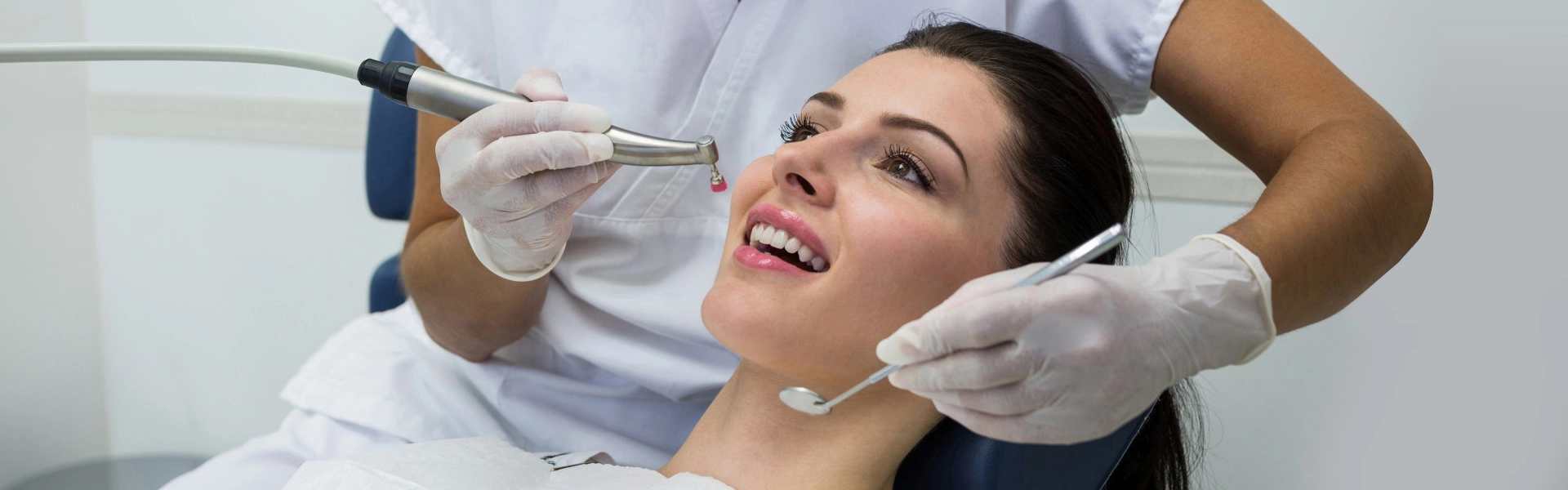

When your teeth feel fine, a dental appointment may not seem urgent. However, cavities, gum inflammation, cracked teeth, and worn dental work can develop before they cause noticeable discomfort.
Seeing a dentist in Houston, TX allows these changes to be monitored and addressed before they become more complicated. Dental visits also give you time to discuss sensitivity, bleeding gums, bite changes, or anything unusual about your smile.
So, why visit the dentist when nothing seems wrong? Preventive care helps you understand your oral health before pain becomes the first warning sign.
Your First Dental Appointment
A new patient dental appointment usually begins with a conversation about your health and dental history.
What Your Dentist May Ask About
Be prepared to discuss:
- Current medications
- Previous dental treatment
- Tooth or gum concerns
- Medical conditions
- Dental anxiety
- Goals for your smile
This information matters because medications and health conditions can affect dry mouth, bleeding, gum health, and healing.
What Happens During the Examination?
A comprehensive dental exam may include:
- Checking for cavities or cracks
- Examining the gums
- Evaluating your bite and jaw
- Reviewing existing fillings, crowns, or other restorations
- Looking for signs of grinding or tooth wear
- Examining the soft tissues of the mouth
Digital dental X-rays may also be recommended when the dentist needs information that cannot be obtained from a visual examination alone.
Current ADA guidance supports choosing dental imaging according to clinical need, symptoms, disease risk, and previous findings rather than taking X-rays automatically at every visit.
If dental visits make you nervous, mention this at the beginning. Knowing your concerns helps the dental team explain each step and make the appointment easier to manage.
Before Treatment
If your dental exam finds a problem, the next step should be a clear discussion.
Your dentist should explain what was found, why it matters, and which options are available.
What a Treatment Plan May Include
Depending on your needs, recommendations may involve:
- A filling
- A dental crown
- Gum therapy
- Root canal treatment
- Replacement of a missing tooth
- Preventive care
- Continued monitoring
When several procedures are needed, treatment can often be divided into stages so urgent concerns are addressed first.
Good treatment planning also covers benefits, limitations, alternatives, expected timing, and cost. This gives you enough information to take part in decisions about your care.
Why Regular Dental Visits Are Important
Some oral health issues may worsen before you feel any discomfort.
A small cavity may not hurt. Early gum disease can cause few obvious symptoms. An old filling or crown may also begin to fail before you notice discomfort.
Routine examinations allow the dentist to compare current findings with previous visits and determine whether something has changed.
Adult dental examinations also include checking the tissues inside the mouth for unusual areas that may need further evaluation.
Common Signs You Should Schedule a Dental Appointment
You don’t have to wait for your next planned dental checkup if something changes.
Arrange an examination if you notice:
- Persistent tooth pain
- New or worsening sensitivity
- Bleeding or swollen gums
- A loose permanent tooth
- Pain when biting
- Persistent bad breath
- A broken filling, crown, or tooth
- Swelling near a tooth or jaw
Repeated gum bleeding deserves attention, particularly when it continues despite regular brushing and cleaning between the teeth.
Significant facial swelling, uncontrolled bleeding, or serious dental trauma needs prompt assessment. Difficulty breathing or swallowing requires emergency medical care.
Benefits of Routine Dental Exams and Professional Cleanings
Brushing and cleaning between your teeth are essential, but a toothbrush can’t remove hardened tartar effectively.
During professional teeth cleaning, a dental hygienist removes plaque and hardened deposits from areas that are difficult to clean at home.
What Else Happens During a Cleaning?
The hygienist may also:
- Check the gums for inflammation or bleeding
- Polish the teeth
- Review areas where plaque collects
- Discuss brushing and interdental cleaning
- Recommend fluoride when appropriate
Professional cleaning complements your daily routine rather than replacing it.
Conditions Your Dentist Can Detect Early
A general dentist in Houston, TX evaluates much more than obvious cavities.
An examination may reveal:
- Early tooth decay
- Gum disease
- Cracked teeth
- Worn or failing restorations
- Dental infections
- Teeth grinding
- Bite changes
- Unusual oral tissue changes
Previous notes and X-rays also provide useful points of comparison. Your dentist can see whether gum measurements, existing dental work, or other areas have changed since your last visit.
Research has found associations between periodontal disease and conditions such as diabetes and cardiovascular disease. These links do not prove that gum disease directly causes those conditions, but they reinforce the importance of maintaining oral health.
How Often Should You Visit the Dentist?
The ideal schedule can vary from one person to another.
A six-month interval is common, but some patients may need shorter or longer periods between visits.
Who May Need More Frequent Visits?
Your dentist may recommend closer monitoring if you have:
- Gum disease
- Frequent cavities
- Dry mouth
- Orthodontic treatment
- Extensive dental restorations
- Other factors that increase oral health risk
Visit frequency should be based on your dental history, current findings, and individual risk, not a fixed timetable.
Tips for Maintaining a Healthy Smile Between Dental Visits
Your daily habits directly affect plaque levels, gum health, and cavity risk.
Simple Habits That Make a Difference
- Brush twice daily with fluoride toothpaste.
- Clean between your teeth every day.
- Use gentle pressure around the gumline.
- Limit frequent sugary foods and drinks.
- Replace worn toothbrushes or brush heads.
- Wear a properly fitted mouthguard when appropriate.
Frequent sugar exposure matters because oral bacteria use carbohydrates to produce acids that can contribute to tooth decay.
Daily care and preventive dentistry serve different purposes. Home hygiene controls plaque, while professional visits provide examination, monitoring, and personalized recommendations.
Final Thoughts
Regular dental care is about more than having your teeth cleaned. It allows changes to be monitored over time, gives developing problems a better chance of being identified early, and helps you understand your treatment choices.
If you are due for a checkup, contact Cabrera Dental Associates in Houston to schedule an examination and discuss preventive care based on your current oral health needs.